
Introduction to photography
Photography is a powerful and accessible art form that allows anyone to capture and share the beauty, emotion, and stories of the world around them. Whether you’re using a smartphone or a professional camera, photography lets you see life from new perspectives, it sharpens your creativity, and preserves unforgettable moments. With practice and dedication, anyone can develop the skills to transform any ordinary scene into an extraordinary image, making photography both a rewarding hobby and a meaningful way to connect with others. You don’t have to be an expert in photography to take pictures, all you need is a camera and creativity.
Understanding Lighting in Photography
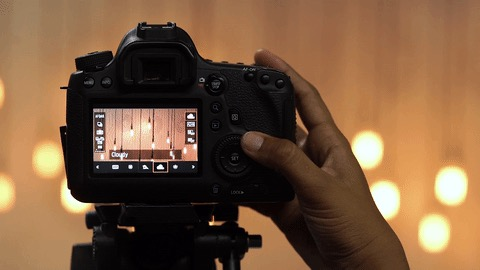
Lighting is one of the most crucial elements in photography, shaping the mood, texture, and clarity of your images. Natural light from the sun offers a soft, ever-changing quality—like the warm glow of golden hour or the cool tones of an overcast sky. Artificial light, such as studio lamps or flashes, provides control and consistency, letting you shape shadows and highlights to match your vision. Knowing when and how to use each type of light can elevate your work from simple snapshots to compelling images. A great way to learn lighting is to photograph the same scene while adjusting your white balance or manual settings to see what effects you prefer.
Composition Techniques in Photography
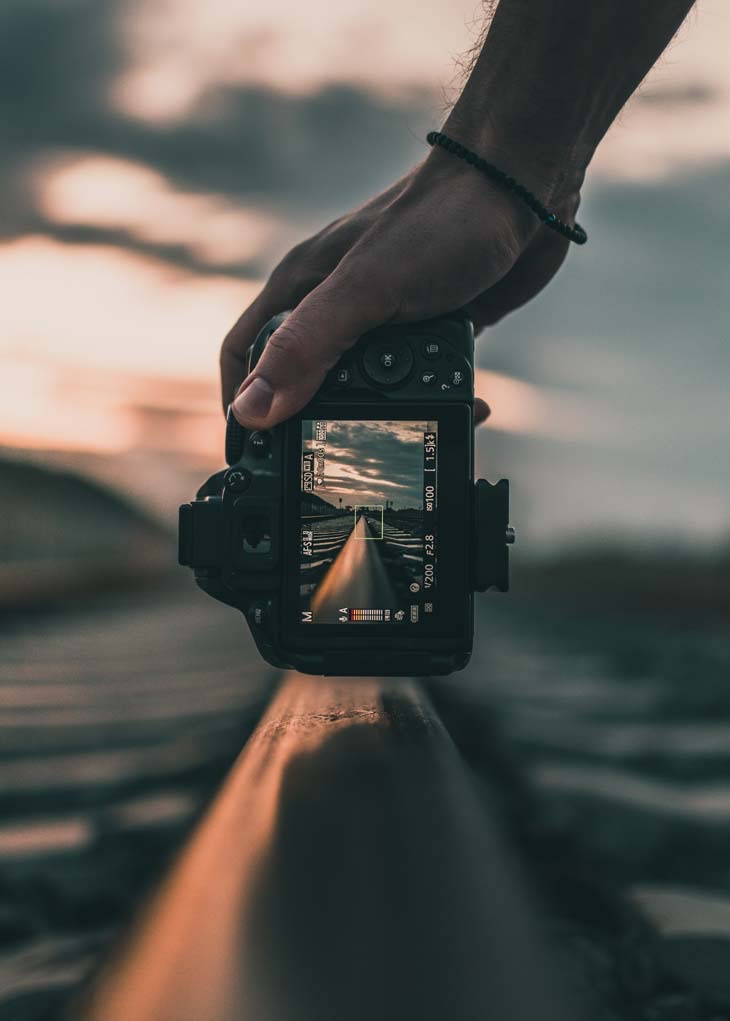
Photography composition techniques like the rule of thirds, leading lines, and framing are essential for creating visually compelling images. The rule of thirds divides the frame into a 3×3 grid, placing key subjects along the lines or intersections for balance and interest. Leading lines—such as roads, fences, or rivers—guide the viewer’s eye toward the main subject, adding depth. Framing uses elements like windows, arches, or tree branches to surround the subject and provide context. Used together, these techniques strengthen your visual storytelling. To capture strong leading lines or framing, try placing your camera close to the ground and aiming it toward your subject.
Gear Guide in Photography
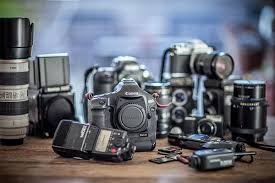
Choosing the right gear is essential for photographers at any level, and understanding the basics of cameras, lenses, and accessories can make a big difference. Beginners often start with entry-level DSLR or mirrorless cameras that offer automatic settings and interchangeable lenses, making them versatile and easy to learn on. As skills grow, more advanced photographers may seek better sensors, faster autofocus, and greater manual control. Lenses are equally important—wide-angle options suit landscapes, while telephoto lenses capture distant subjects like wildlife or sports. Accessories such as tripods, bags, extra batteries, memory cards, and external flashes add convenience and expand creative possibilities. No matter your experience, choosing the right gear supports better images and steady growth. And you don’t need to spend thousands—buying used or pre-owned gear is often the best way to get started.
Shooting Tips In Photography
Adapting to different environments is essential in photography, as each setting presents unique lighting, subject, and composition challenges. In bright outdoor conditions, using a low ISO and fast shutter speed helps prevent overexposure. Low-light scenes may require a tripod, higher ISO, or wider aperture to maintain sharpness without excessive noise. In harsh weather, protecting your gear and using natural elements creatively can add mood and drama. Whether shooting in cities, forests, or beaches, adjusting your settings and using available light effectively leads to stronger images. Relying on auto mode for lighting and focus can also help you learn your camera.
Post-Processing Basics In photography
Post-processing is an important part of photography, allowing you to enhance images while preserving the authenticity of the scene. The goal is to refine, not reinvent—adjusting exposure, contrast, white balance, and sharpness to reflect what the eye saw. Subtle edits can reveal details in shadows and highlights, correct color tones, and clean up distractions through cropping or spot removal, all without making the photo look overprocessed. Avoid heavy filters or unrealistic colors that take away from the natural feel. With a light touch, editing strengthens a photo’s impact while keeping it authentic. And remember, you don’t need to edit every shot—take multiple images and choose the best one to refine.
Conclusion to Photography
To sum up everything, photography is more than just capturing images, it’s a powerful form of expression, storytelling, and preservation. It allows us to freeze moments in time, share perspectives, and evoke emotions that transcend language and culture. When you combine lighting, techniques, gear, iso, and editing, you will end up with a beautiful image that you will look at for hours. Whether used for art, documentation, or communication, photography continues to shape the way we see the world and connect with one another. You don’t have to be a photographer to capture the beauty of the world, all you need is a camera.
Follow at @Infinit_framess at Instagram or Facebook for more information.