
Introduction
Photography quality plays a crucial role in how images are perceived and understood, especially in a world where visual content dominates communication. Whether used for personal expression, social media, marketing, or professional work; High-quality photography helps capture attention and convey messages more effectively. Elements such as lighting, sharpness, color accuracy, and composition all contribute to the overall quality of an image. When photography quality is strong, images appear more engaging, credible, and visually appealing, making them more likely to leave a lasting impression on viewers.
What Is Quality in photography
Photography quality refers to how well an image is captured and presented, based on a combination of technical skills and visual elements. It includes factors such as sharp focus, proper exposure, accurate and natural colors, effective lighting, and clear, thoughtful composition. High photography quality means that an image appears balanced, visually pleasing, and easy to understand, allowing the main subject to stand out without distraction. It is not only about using expensive equipment or advanced cameras, but also about knowing how to use available tools effectively. Understanding how to control light, choose the right angle, frame the subject properly, and capture the right moment all play an important role in achieving strong photography quality. Good photography quality also reflects creativity and intention, showing that the photographer has carefully considered how the image should look and what message it should communicate.
The Impact of photography Quality
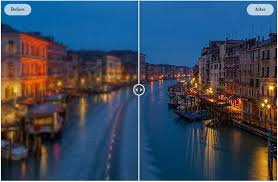
The impact of photography quality is significant because it directly influences how images are perceived by viewers and how they respond to visual content. High-quality photographs create strong first impressions, making content appear more professional, trustworthy, and visually appealing from the very first glance. In marketing, media, and online platforms, good photography quality can capture attention quickly, encourage emotional connection, and increase overall engagement, such as likes, shares, and time spent viewing the content. In contrast, poor-quality images may cause viewers to lose interest, overlook important messages, or question the credibility of the source. Quality photography also supports effective storytelling by clearly communicating mood, detail, and meaning, allowing images to convey emotions and messages more powerfully. As a result, high-quality photographs are more likely to leave a lasting and positive impression on audiences.
Why Quality matters
Photography quality matters because it directly affects how messages are communicated and how audiences respond to visual content. High-quality images capture attention more easily, convey professionalism, and help build trust with viewers, while low-quality images can weaken credibility and reduce engagement. In a digital environment where people scroll quickly through large amounts of content, clear, visually appealing, and well-composed photographs are far more likely to stand out and be remembered. Strong photography quality also supports effective storytelling by accurately representing details, emotions, and atmosphere, helping viewers connect with the subject on a deeper level. Additionally, high-quality images create positive first impressions and encourage audiences to spend more time engaging with content, whether on websites, social media platforms, or marketing materials. Overall, investing in good photography quality strengthens communication, enhances visual impact, and increases the chances of leaving a lasting impression.
Common Mistakes That Lower your Quality
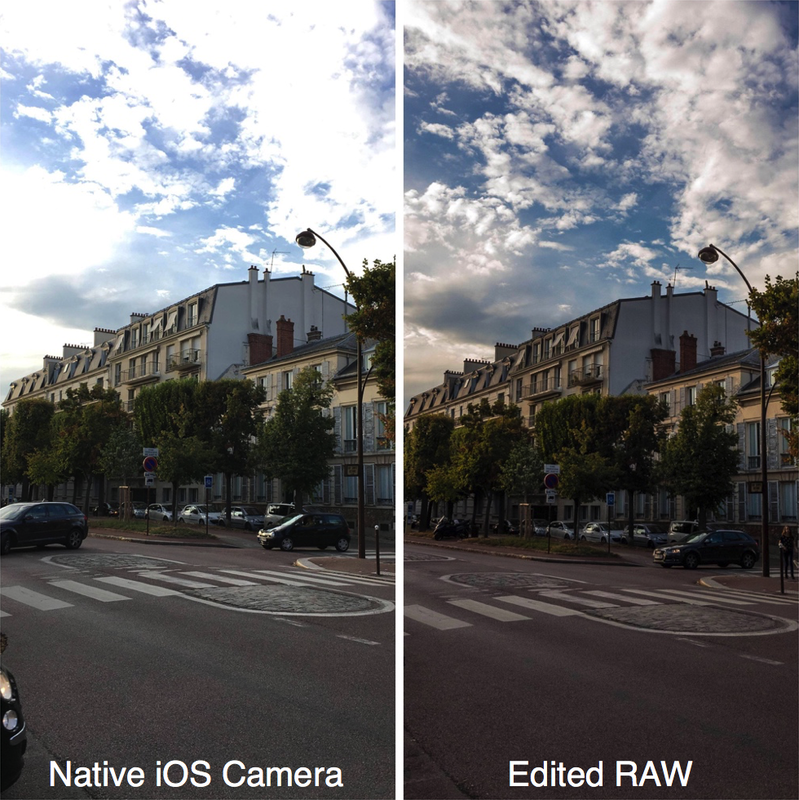
Common mistakes that lower photography quality often come from overlooking basic photography principles and rushing the image-taking process. Poor lighting is one of the most common issues, as photos taken in very dark environments or harsh, overly bright light can lose important details, create unwanted shadows, or appear washed out. Blurry images caused by camera shake, slow shutter speeds, or incorrect focus also reduce clarity and make photos look unprofessional. Another frequent mistake is over-editing, where heavy filters, excessive sharpening, or extreme color adjustments make images look unnatural and distracting rather than enhanced. Inconsistent editing styles across photos can further weaken visual impact. Additionally, distracting or cluttered backgrounds and weak composition can pull attention away from the main subject, making the photo feel unbalanced. Ignoring framing, subject placement, and perspective often results in images that lack focus and visual appeal, ultimately lowering overall photography quality.
How to Improve your Quality
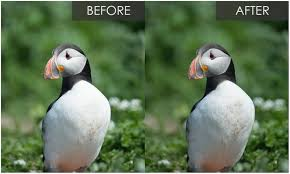
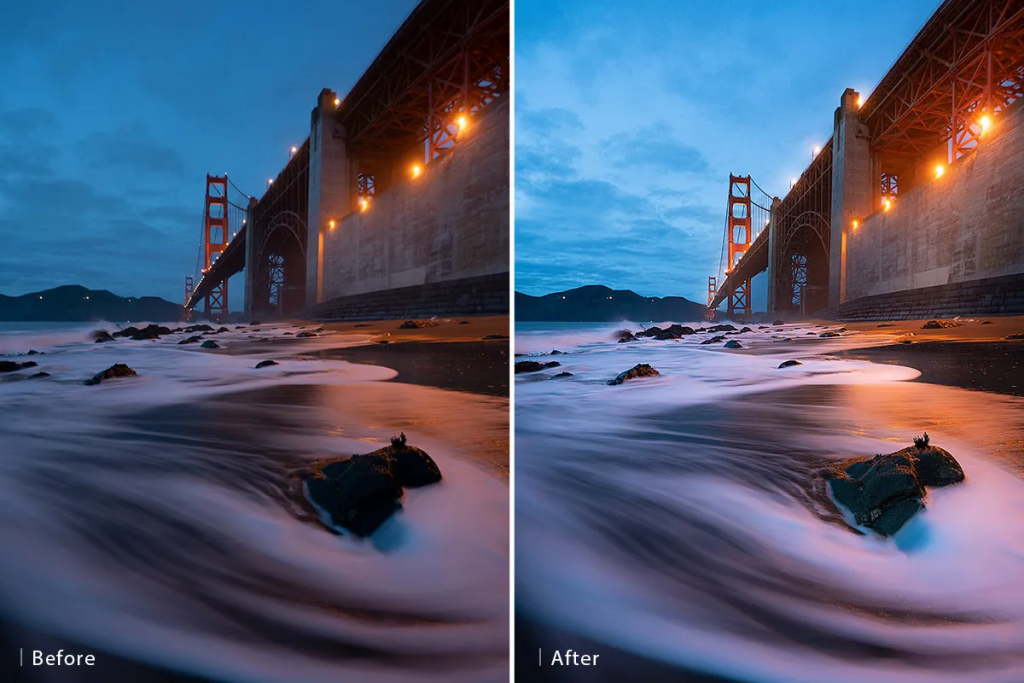
Improving photography starts with mastering a few key techniques. Good lighting enhances clarity, color, and mood, while keeping the camera steady and ensuring proper focus produces sharp, professional images. Using composition rules like the rule of thirds, leading lines, and clean framing guides the viewer’s eye and balances the shot. Thoughtful editing—adjusting brightness, contrast, and color—can enhance an image without making it look unnatural. Understanding your equipment, choosing the right settings, practicing regularly, and reviewing past work all help refine skills and consistently improve photography quality.
Conclusion
In conclusion, photography quality plays an essential role in how images are perceived, interpreted, and remembered by viewers. From creating strong first impressions to enhancing storytelling, professionalism, and credibility, high-quality photography adds value across many areas, including personal projects, creative expression, and professional or commercial work. By understanding what photography quality is, recognizing common mistakes that reduce it, and applying simple yet effective improvement techniques, anyone can create images that are more engaging and visually appealing. Consistently focusing on photography quality. leads to clearer communication, stronger emotional impact, and more meaningful visual experiences that leave a lasting impression on audiences.
Follow at @Infinit_framess at Instagram or Facebook for more information.